


Rokuon-Ji Temple, Kyoto, Japan
Rokuon-ji, more famously known as Kinkaku-ji or the Golden Pavilion, is one of Kyoto’s most iconic landmarks and a UNESCO World Heritage Site. Originally built in 1397 as a retirement villa for the shogun Ashikaga Yoshimitsu, it was later converted into a Zen Buddhist temple of the Rinzai sect. Its striking design, with the top two floors covered entirely in gold leaf, reflects both the opulence of the Muromachi shogunate and the refined aesthetics of Zen culture. Surrounded by water and lush gardens, the pavilion offers a breathtaking view that changes beautifully with the seasons.

The temple’s architecture embodies a blend of different styles across its three floors: the first floor reflects the shoin style of palace architecture, the second floor is built in the style of samurai residences, and the third floor adopts the design of a Chinese Zen hall. This layered design creates a structure that is both elegant and symbolic, combining worldly and spiritual elements. The reflection of the Golden Pavilion shimmering on the surface of the pond is among the most photographed and admired sights in all of Japan.

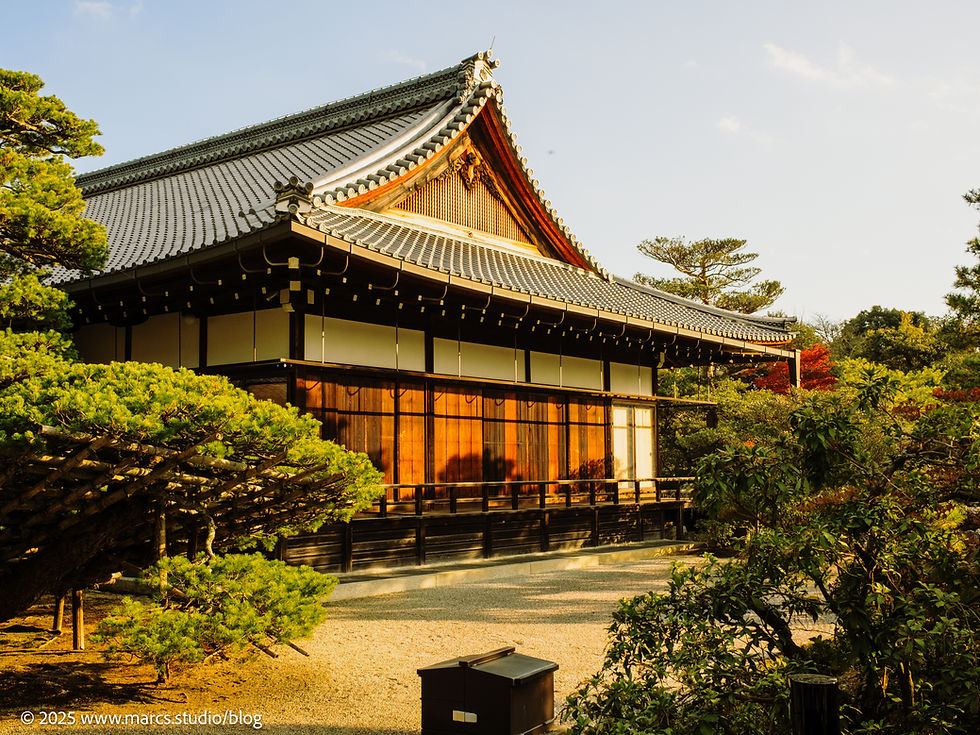
Beyond the pavilion itself, the temple complex includes carefully designed strolling gardens, teahouses, and pathways that allow visitors to immerse themselves in a serene atmosphere. Each element of the landscape is intended to harmonize with the pavilion, offering perspectives that highlight the ideals of balance and tranquility central to Zen philosophy. Whether visited during spring’s fresh greens, autumn’s fiery foliage, or under a blanket of winter snow, Rokuon-ji remains a place of profound beauty and cultural significance.





Comments